
OCCUPIED FACILITY RENOVATIONS
Occupied Facility
Renovations.
occupied facility renovations inside buildings that stay open, staffed and in use throughout.
A COORDINATION PROBLEM FIRST
Renovation Around a
Working Building.
An occupied renovation is a coordination problem before it is a construction problem. Where the work happens, when it happens, how people move around it, and who is told what — those decisions determine whether a project disrupts the operation or fits around it.
Pristine establishes those controls at the start of the project and manages them through to closeout.
Occupied facility renovations fail for predictable reasons: a route closed without notice, a system taken down at the wrong hour, a change nobody passed on. Every one of those is a communication failure rather than a construction failure, which is why the communication protocol is agreed before the program is priced.
Pristine works across healthcare, senior living and behavioral health buildings in Tallahassee, Leon County and North Florida, and the same core controls apply in each. What changes between them is the constraint the building imposes — clinical continuity, resident routine or secure access — and the sequencing that constraint demands.
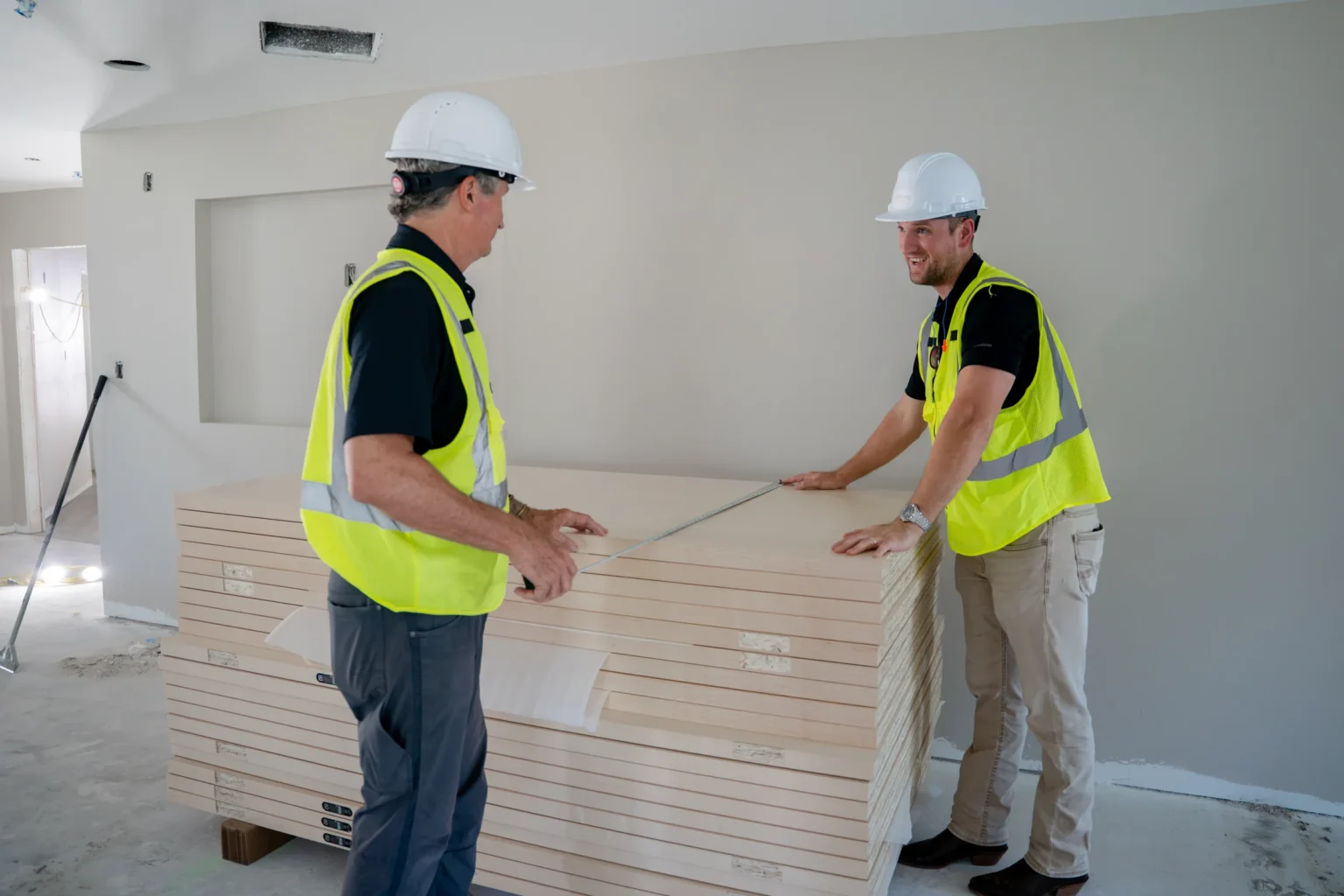
The starting point for occupied facility renovations is an honest assessment of what the building can give up. Some facilities can release a whole floor; most can release a room at a time, and only outside certain hours. Pristine walks the building with facility leadership, documents existing conditions, records peak hours and protected routes, and agrees what the project has to work around before any program is committed to.
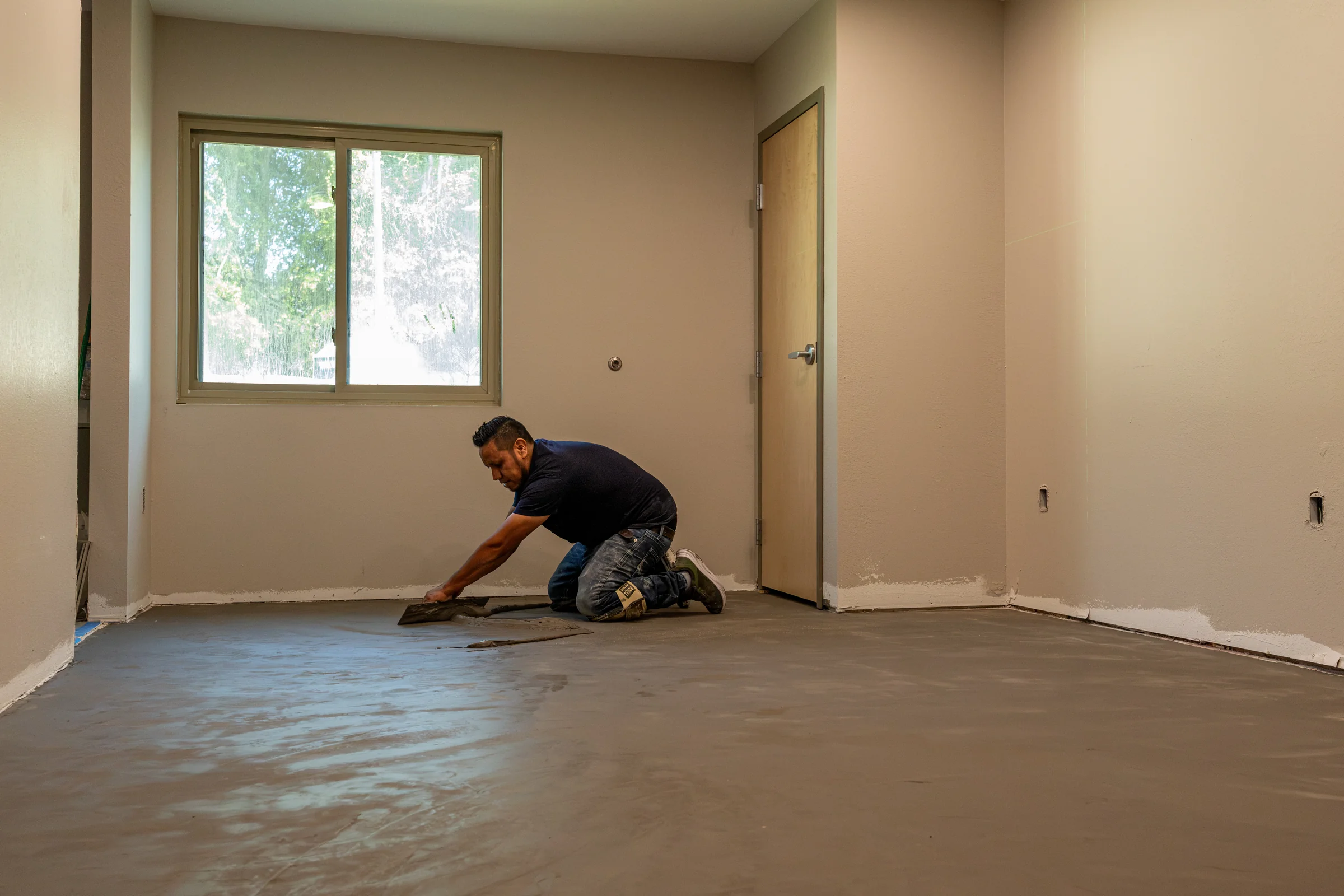
From there the sequence is set. Occupied facility renovations are delivered in stages with defined start and finish points, so leadership always knows which area is active, which is next, and when the current phase hands back. Swing space is identified early, because it is usually the constraint that determines how quickly the rest of the building can move.
Questions We Answer First
- Can the facility close, partially close, or not at all?
- Which routes must stay open, and to whom?
- When can disruptive work actually happen?
- Which systems can be interrupted, and with how much notice?
- Who signs off a change, and who tells the occupants?
- Where is the swing space, and when does it become available?
- What has to be documented and handed over at the end?
THE FOUR CONTROLS
How We Keep a Building
Open While We Work.
DAILY PRACTICE
Site Control Is a
Daily Deliverable.
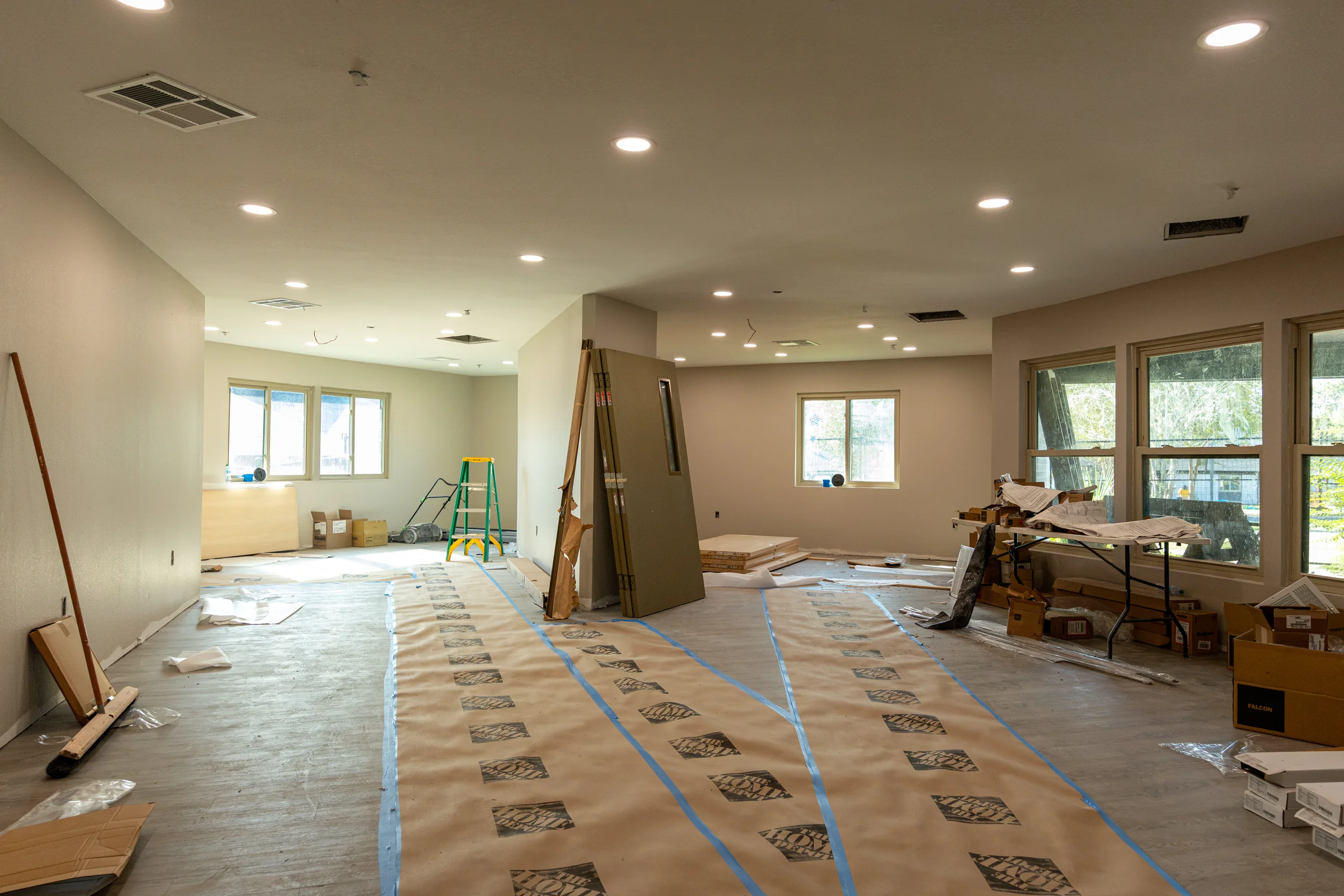
In an occupied building, the state of the site is the most visible signal of whether a project is under control. It is treated as part of the work, not as tidying up afterward.
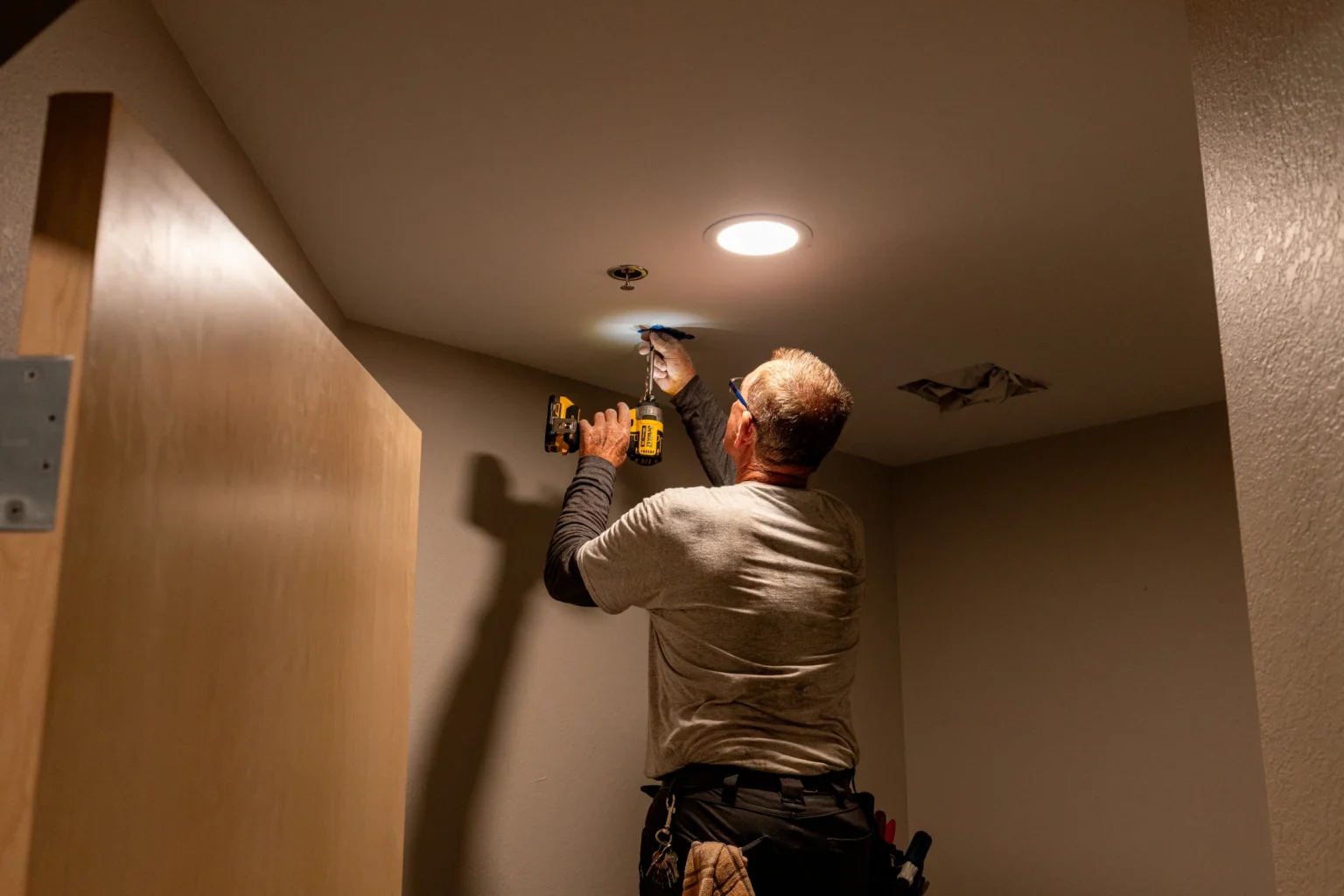
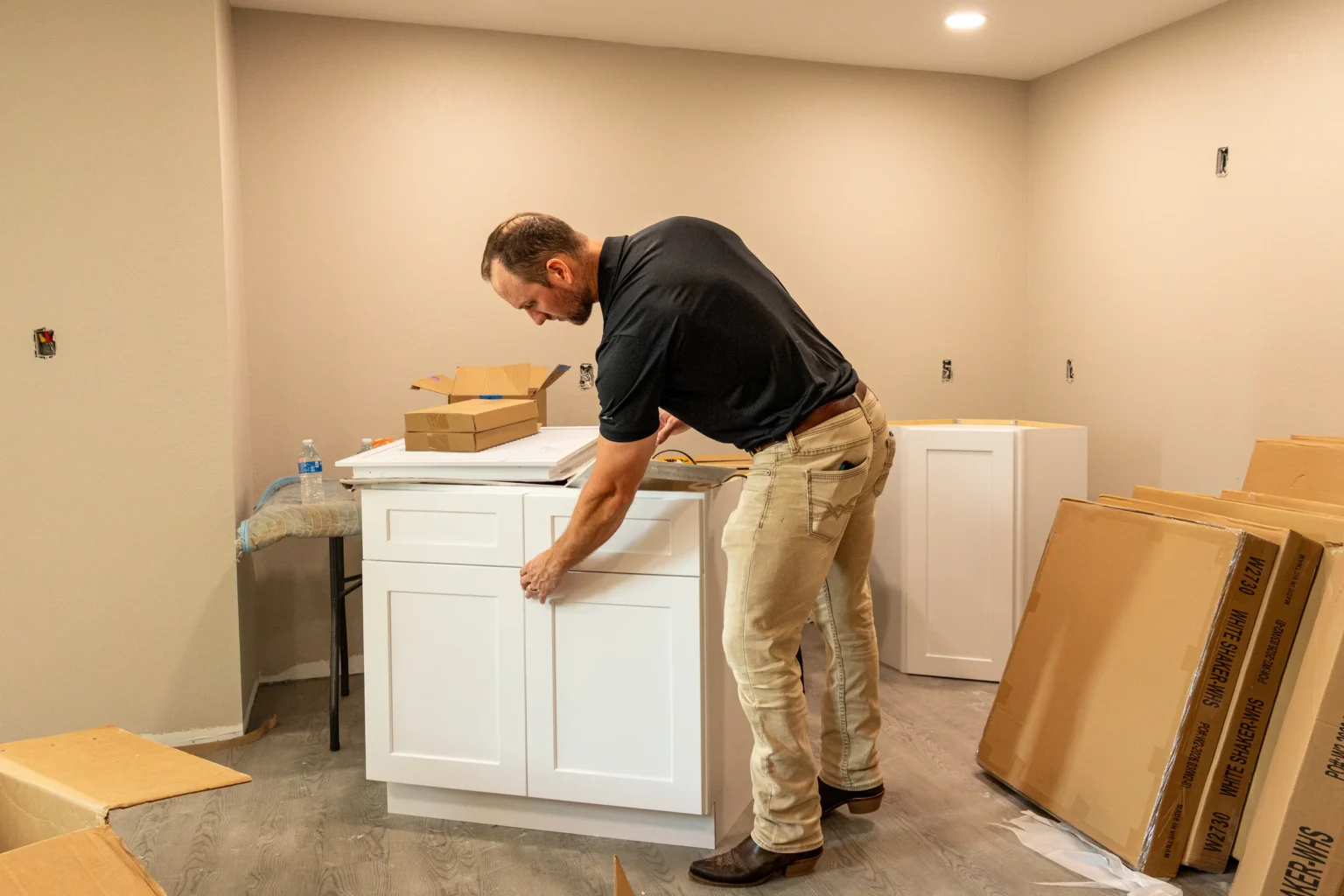
On occupied facility renovations the people around the work form their judgment daily, from what they can see. A corridor left clear, a barrier standing straight and a floor swept at the end of a shift do more to maintain confidence than any progress report. Site control is therefore treated as a deliverable with a standard attached, checked before crews leave rather than reviewed at the end of the week.
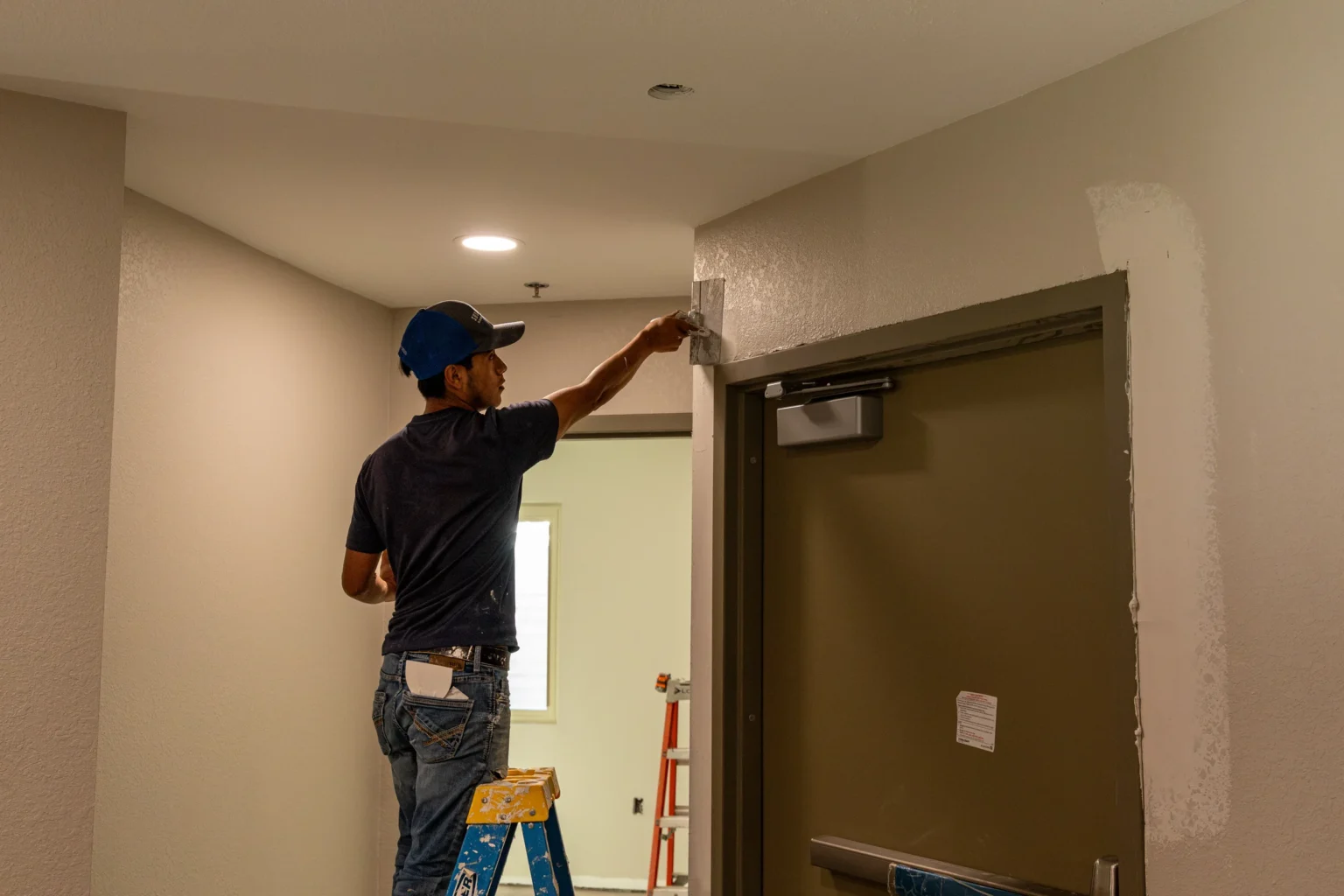
Quality on occupied facility renovations is verified as the work proceeds rather than discovered at handover, when correcting it is most disruptive to the operation. Outstanding items are identified, tracked and closed before an area returns to service, and turnover documentation is prepared so the facility team knows what it has inherited and how to maintain it.
Every building is different, but the controls behind occupied facility renovations are the same: what stays open, what can close, when disruptive work can happen, which systems can be interrupted, and who tells the people affected. Answering those questions before mobilization is what stops a construction program becoming an operational problem.
Pristine Renovations is based in Tallahassee and takes on occupied facility renovations throughout Leon County and the surrounding North Florida region. The commercial division is owned and operated by a Florida State Certified Building Contractor, license CBC1269080, verifiable through the Florida DBPR.
Most occupied facility renovations are won or lost on how carefully that sequence is set. Routes are walked and checked before they open and signage goes up before a closure takes effect, system interruptions carry a defined fallback if the work runs long, and the single point of contact stays reachable while work is on site rather than afterward.
- Clean close-down at the end of every shift, with routes cleared, barriers checked and the work zone left secure.
- Contained debris and controlled removal routes away from occupied space, so waste never crosses daily circulation.
- Clear signage so occupants always know what is closed and where to go instead, updated as the phasing moves.
- Consistent crews who are known to the facility, briefed on its rules and accountable for the area they work in.
- Agreed reporting cadence so facility leadership hears about progress and upcoming disruption on a set rhythm rather than on request.
WHERE THIS APPLIES
Environments We
Work In.
START YOUR PROJECT
Renovating an
Active Facility?
Tell us about your facility, project scope, timeline and operational requirements. We will follow up to discuss the right approach for your occupied facility renovations, including phasing, protected routes and how occupants are kept informed.